
In December 2017, Logan Paul, a prominent YouTube personality, faced intense backlash after posting a video that showed the body of a suicide victim in Japan’s Aokigahara forest. The incident sparked widespread outrage and raised important questions about the responsibilities of content creators. This article delves into the apology Logan Paul issued in the aftermath, analyzing its content, tone, and the broader implications for digital culture.
The Controversial Video: A Mistake with Far-reaching Consequences
Logan Paul’s video, titled “We found a dead body in the Japanese Suicide Forest…,” depicted him and his friends discovering a deceased individual in Aokigahara, a forest known for its association with suicides. The video included footage of the body, along with reactions from Paul and his group that many viewers found inappropriate and disrespectful. The content quickly garnered millions of views before being removed, but the damage had already been done.
The backlash was swift and severe. Mental health advocates, fans, and public figures condemned the video for its insensitivity and exploitation of a tragic situation. Critics argued that the video trivialized serious issues like suicide and mental illness, turning them into a spectacle for entertainment purposes. The incident highlighted the potential harm that can arise from sensational content and the need for greater accountability among digital influencers.
Crafting the Apology: A Study in Public Relations
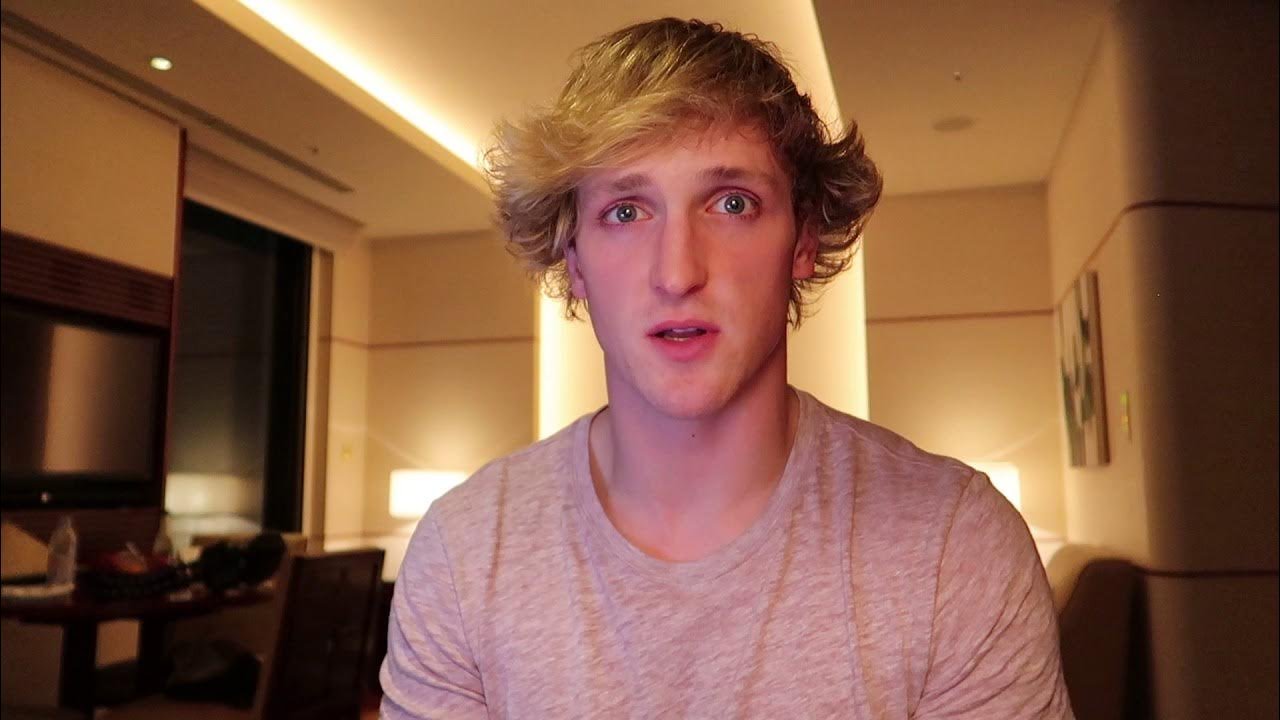
In response to the uproar, Logan Paul issued a public apology. The apology was delivered through a video posted on his YouTube channel, where he addressed the controversy directly. The script of the apology has been analyzed by various media outlets and researchers, providing insights into the strategies employed by public figures to manage crises.
In most apology videos, Logan Paul emphasizes how sorry he is. Words like “I deeply regret” and “I didn’t mean to hurt anyone” are commonly used. Many influencers now create a video as a way to publicly address controversies, hoping to regain trust and control the narrative.
The apology began with Paul acknowledging his mistake, stating, “I made a severe and continuous lapse in my judgment, and I don’t expect to be forgiven. I’m simply here to apologize.” This opening sentence set a serious tone, indicating that he recognized the gravity of his actions. He continued by explaining that the reactions captured in the video were raw and unfiltered, and that none of them knew how to react or feel in the moment. Paul admitted that he should have never posted the video and expressed regret for not putting the cameras down.
Throughout the apology, Paul emphasized his intent to entertain and push boundaries, stating that his goal was never to be heartless, cruel, or malicious. He acknowledged the harm caused by his actions and apologized to various groups, including the internet community, those affected by mental illness or suicide, and, most importantly, the victim and his family. Paul also urged his fans not to defend his actions, stating that he did not deserve to be defended.
Public Reception: Mixed Reactions and Lingering Doubts
The public’s response to Logan Paul’s apology was mixed. Some viewers appreciated his acknowledgment of the mistake and his expression of regret. However, many remained skeptical, questioning the sincerity of his remorse. Critics argued that the apology came only after the backlash reached a fever pitch, suggesting that it was more about damage control than genuine contrition.
The controversy also sparked discussions about the nature of online fame and the responsibilities of content creators. Some commentators noted that Paul had built his brand on pushing boundaries and courting controversy, raising questions about whether his apology was part of a larger strategy to maintain relevance and viewership. Others pointed out that the incident underscored the need for greater sensitivity and awareness among influencers when dealing with serious topics.
The Aftermath: Consequences and Lessons Learned
In the aftermath of the controversy, Logan Paul faced several consequences. YouTube temporarily suspended his channel’s monetization, and he was removed from the Google Preferred ad program. These actions highlighted the platform’s commitment to enforcing community guidelines and holding creators accountable for their content.
Beyond the immediate fallout, the incident prompted a broader conversation about the ethical responsibilities of digital influencers. It underscored the need for content creators to be mindful of the potential impact of their actions and the importance of considering the feelings and experiences of their audience.
Conclusion: A Turning Point in Digital Culture
The Logan Paul apology script represents more than just a response to a single controversy; it marks a turning point in the way digital influencers engage with their audience and the broader public. The incident and its aftermath highlighted the power and responsibility that come with online fame and the need for greater awareness and sensitivity when addressing serious issues.
Leave a Reply